 Houhuan Chemical

A dispersant is a surfactant that can reduce the aggregation of solid or liquid particles in a dispersion system. By adsorbing on the particle surface to form a protective layer (such as the steric hindrance effect of polymer chains) or introducing the same charge (electrostatic repulsion), a repulsive force is generated between particles, effectively preventing them from approaching each other and aggregating. Further enhance the dispersion stability of the system. It is widely applied in fields such as coatings, inks, pharmaceuticals, and the food industry.
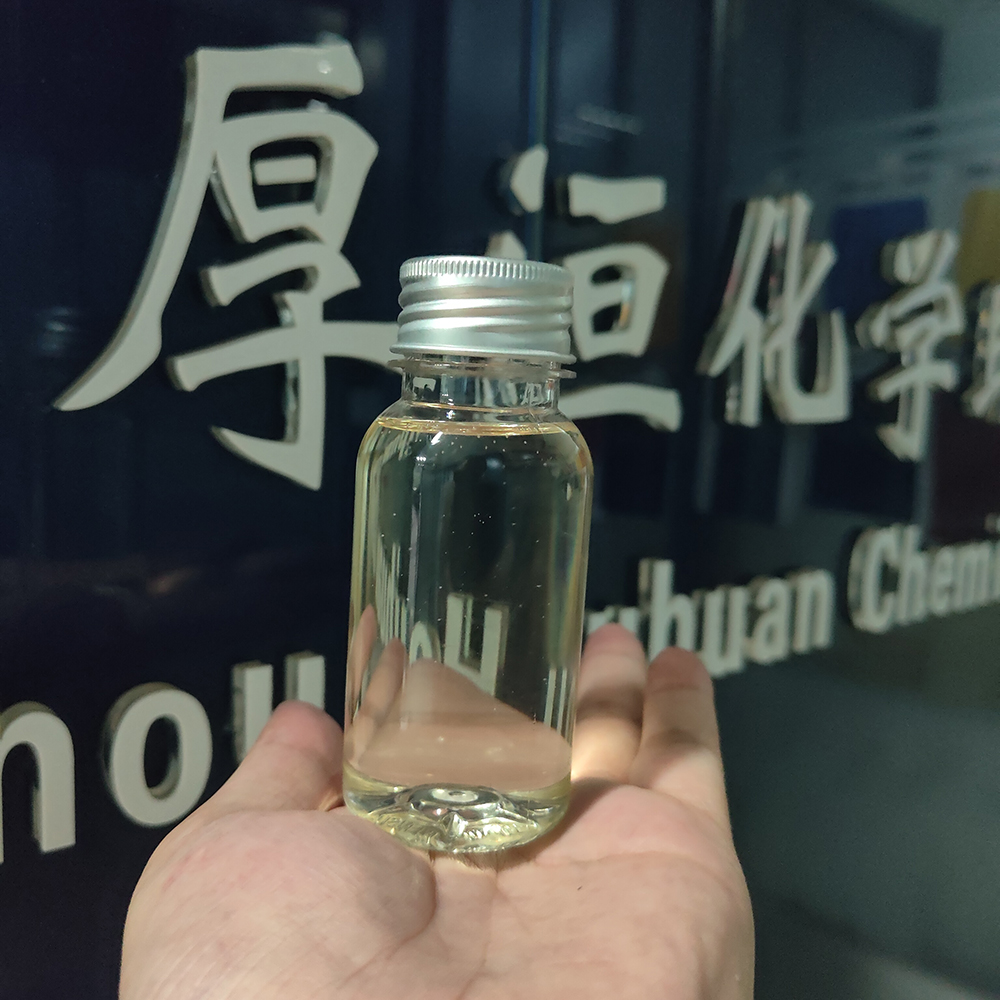
mga nagkalat
The main function of dispersants is to prevent particle agglomeration and enhance the stability and uniformity of the system by adsorbing on the surface of particles to form a double electric layer or a high-molecular chain that wraps around the particles. According to its characteristics such as dispersion, stability, wetting, viscosity, prevention of sedimentation and enhancement of luster. The five core functions of dispersants have been sorted out as follows:
- Dispersion effect: Break up particle aggregates to achieve uniform distribution of primary particles.
- Stabilizing effect: Prevent the re-flocculation or sedimentation of already dispersed particles, maintaining long-term stability.
- Wetting effect: Promotes the wetting of solid particles by liquids, replaces air or impurities on the particle surface, and enhances interfacial compatibility.
- Viscosity regulation function: Optimize the rheological properties of the system, reduce viscosity at high solid content, and improve fluidity and processability.
- Steric hindrance/electrostatic stabilization effect: It provides repulsive forces between particles through physical or electrochemical mechanisms to maintain a dispersed state.
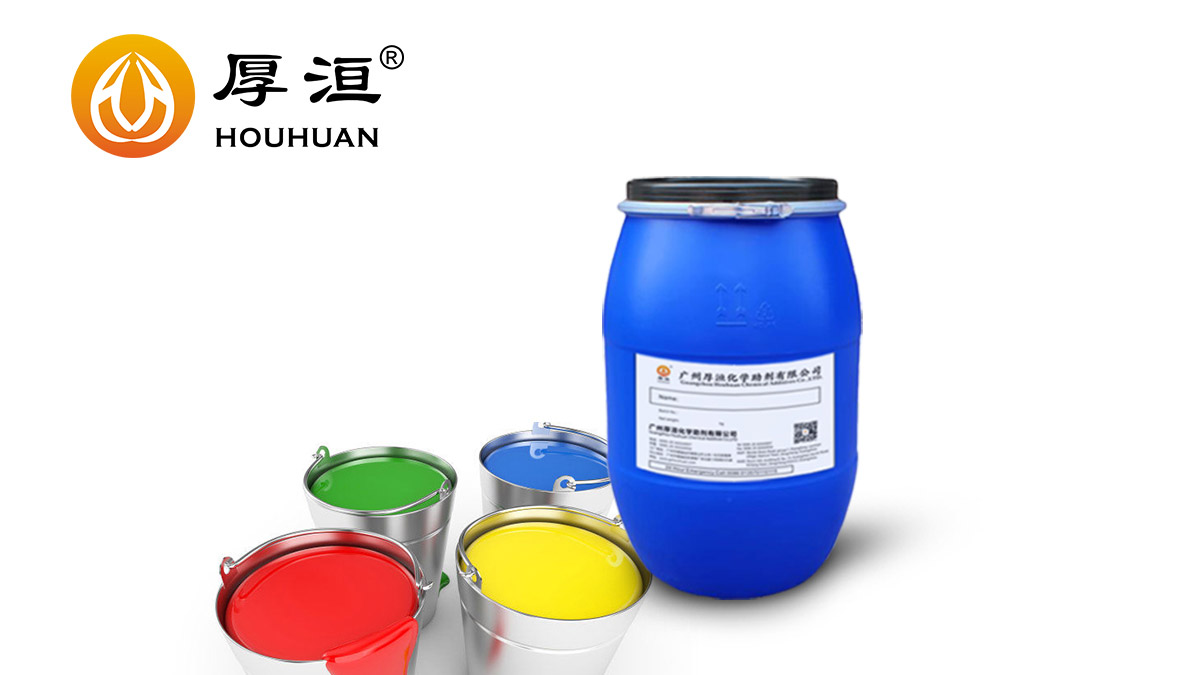
dispersant factory
These effects often occur in synergy, and the specific dominant mechanism depends on the type of dispersant (such as anionic, nonionic, polymer, atbp.) and the application system (water-based/oil-based, mga pigment, ceramic slurries, coatings, atbp.).
WeChat
I -scan ang QR code na may WeChat