 ສານເຄມີ houhuan

Dispersants have a wide range of applications, almost covering all industrial fields involving the dispersion of solid particles in liquids. Including chemicals, ການເຄືອບ, ປູ້ະ, ຫມຶກ, ອາຫານ, ປົງຄາຍ. It has a series of applications such as enhancing the dispersibility and stability of pigments and improving product quality. The following are some of the main application fields and specific uses of dispersants.
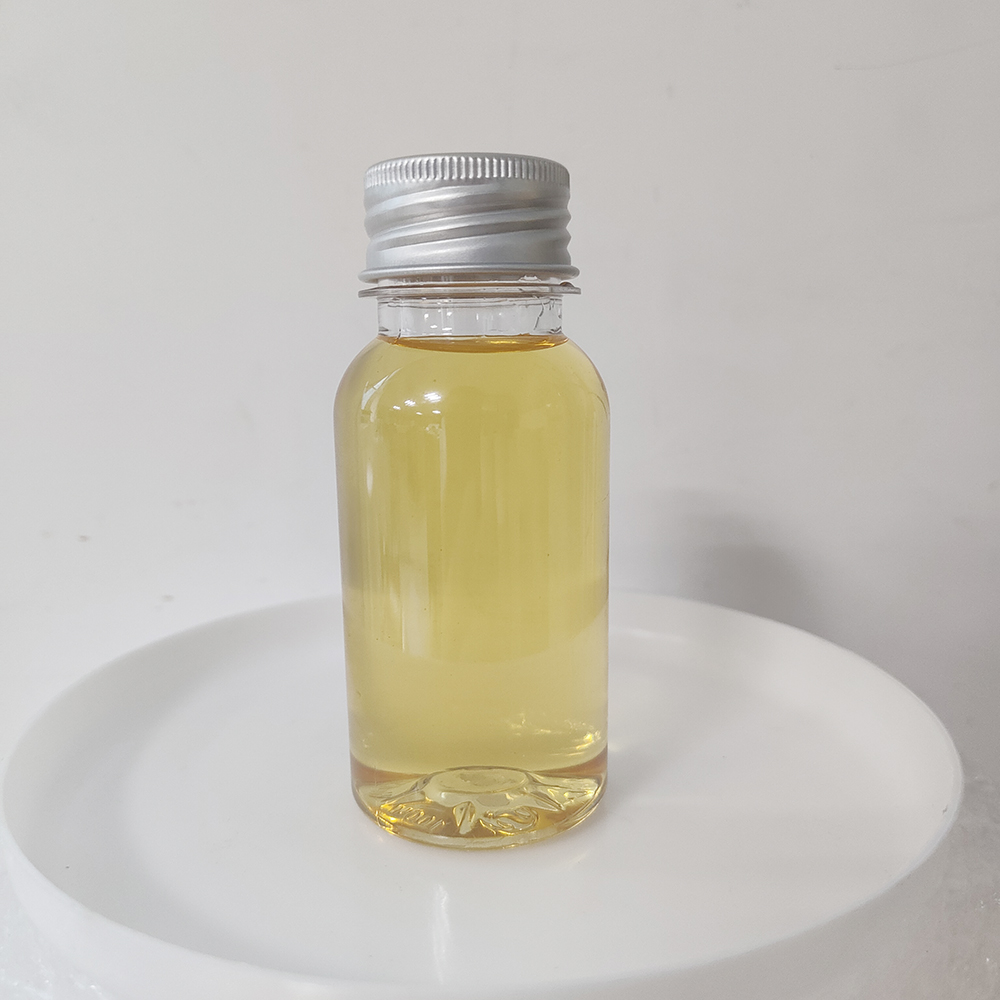
dispersant
1. Coatings industry
Dispersion of pigments and fillers: This is one of the most core applications of dispersants. In various coatings such as paints, latex paints, and powder coatings, dispersants are used to effectively disperse inorganic pigments (such as titanium dioxide, iron oxide, and carbon black) and organic pigments and extender pigments (such as calcium carbonate and talcum powder) in resins or solvents, preventing sedimentation, color floating, and mottling, enhancing tinting strength, covering power, and gloss, and ensuring the storage stability of the coatings.
Reduce viscosity: Make high-solid content coatings easier to apply.
Improve grinding efficiency: Shorten the pigment grinding time and reduce energy consumption.
2. Ink industry
Pigment dispersion: Similar to coatings, in printing inks (offset inks, gravure inks, flexographic inks, inkjet inks, ແລະອື່ນໆ), dispersants are used to stabilize pigment particles, ensuring the color saturation, printing clarity, storage stability of the ink, and preventing the inkjet print head from clogging.
Control rheological properties: Improve the printability of ink.
dispersant factory
3. Ceramic industry
Preparation of ceramic slurry: In ceramic production, dispersants are used to uniformly disperse ceramic powders (such as alumina, zirconia, silicon carbide, clay, ແລະອື່ນໆ) in water to prepare a stable slurry with low viscosity and high solid content, which is convenient for molding (such as casting molding, grouting molding, spray drying granulation), and improves the strength and sintering performance of the green body. Reducing viscosity makes it convenient for spray drying and molding. The product composition after sintering is more uniform and the structure is more compact.
Reduce water consumption: Under the premise of ensuring fluidity, reduce the moisture content in the slurry to lower the energy consumption for drying and sintering.
4. Papermaking industry
Filler dispersion: In the papermaking process, dispersants are used to evenly disperse fillers such as calcium carbonate, talcum powder, and titanium dioxide in the pulp, thereby enhancing the whiteness, opacity, and printability of the paper.
Sizing agent dispersion: Helps the sizing agent to be evenly distributed on the paper fibers.
Improve pulp uniformity: Promote fiber dispersion and reduce paper defects.
5. Pesticide industry
Preparation of suspension agents (SC) and water dispersible granules (WG) : Dispersants are key components in the formulation of pesticide suspension agents and water dispersible granules. They are used to stably disperse the original pesticide particles in water, forming stable suspensions or particles that can quickly disintegrate and disperse, thereby enhancing the bioavailability, uniformity of spraying, and storage stability of pesticides.
Wetting and dispersion: Helps pesticides spread better on the surface of leaves. Dispersants can evenly disperse the active ingredients of pesticides in the spraying liquid, enhance the ability of the liquid to adhere to plants and its permeability, improve the control effect, and reduce the waste of the liquid.
6. Plastic and rubber industry
Dispersion of pigments and fillers: In plastic masterbatches, color masterbatches, and rubber products, dispersants are used to uniformly disperse pigments, carbon black, and inorganic fillers (such as calcium carbonate, talcum powder, and silica fume) in the polymer matrix, enhancing the color uniformity, mechanical properties, and processing performance of the products.
Improve processing fluidity: Reduce melt viscosity.
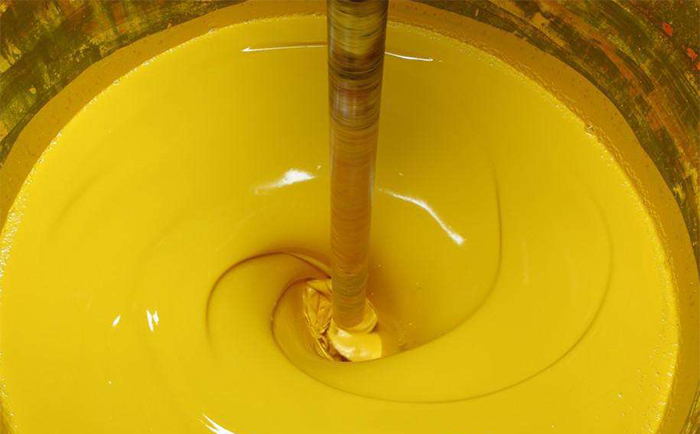
Color paste
7. Building materials
Cement and concrete admixtures: High-efficiency water reducers (a special type of dispersant) can significantly reduce the water content of concrete mixtures while maintaining or enhancing their fluidity, thereby improving the strength and durability of concrete.
Gypsum board and mortar: Used in gypsum and mortar systems to improve their fluidity and construction performance.
8. Pharmaceutical and cosmetic industry
Drug suspension: Used in oral liquids, suspensions, injections and other drug preparations, it helps dissolve poorly soluble drugs, enhances the body’s absorption effect, and enables the drugs to take effect more quickly. It is used to stabilize insoluble drug particles, ensuring the uniformity of drug dosage and bioavailability.
Cosmetic lotions and suspensions: In products such as sunscreens, foundations, and facial cleansers, they are used to disperse pigments, ultraviolet absorbers, exfoliating particles, ແລະອື່ນໆ, enhancing the texture, appearance, and stability of the products.
9. Textile printing and dyeing industry
Dye dispersion: During the dyeing process with disperse dyes, dispersants are used to evenly disperse insoluble dyes in the dye bath, prevent dye agglomeration, and ensure dyeing uniformity and color yield.
Printing paste: It is used in printing paste to help pigments and auxiliaries disperse evenly.
10. Mineral flotation and beneficiation
Pulp dispersion: In the mineral flotation process, dispersants are used to uniformly disperse mineral particles in water, prevent fine sludge agglomeration, and thereby enhance the flotation efficiency and selectivity.
11. Electronic materials
Slurry preparation: In the preparation of electronic pastes (such as conductive pastes, dielectric pastes, and ceramic capacitor pastes), dispersants are used to stabilize metal powders, ceramic powders, ແລະອື່ນໆ, ensuring the uniformity and printing performance of the pastes.
In the field of nanomaterials: Dispersants can solve the problem of easy agglomeration of nanoparticles, obtain stable nanofluids or composite materials, and fully exert the special properties of nanomaterials.

Houhuan Chemical Applications
The wide application of dispersants stems from their ability to effectively address issues such as uneven dispersion, easy agglomeration, and easy sedimentation of solid particles in liquids, thereby significantly enhancing product performance, processing efficiency, and storage stability. Selecting the appropriate dispersant is a key step in optimizing product quality and reducing costs in many industrial productions.

Wechat
ສະແກນລະຫັດ QR ກັບ WeChat